There is a specific kind of magic that happens when high-quality fat meets citrus acidity and starchy pasta water. The result is this Garlic lemon pasta—a dish that looks like spun gold and tastes like a Mediterranean summer. If you have ever stared at a professional food photograph and wondered how the sauce looks so translucent yet creamy without a drop of heavy cream, you are in the right place.
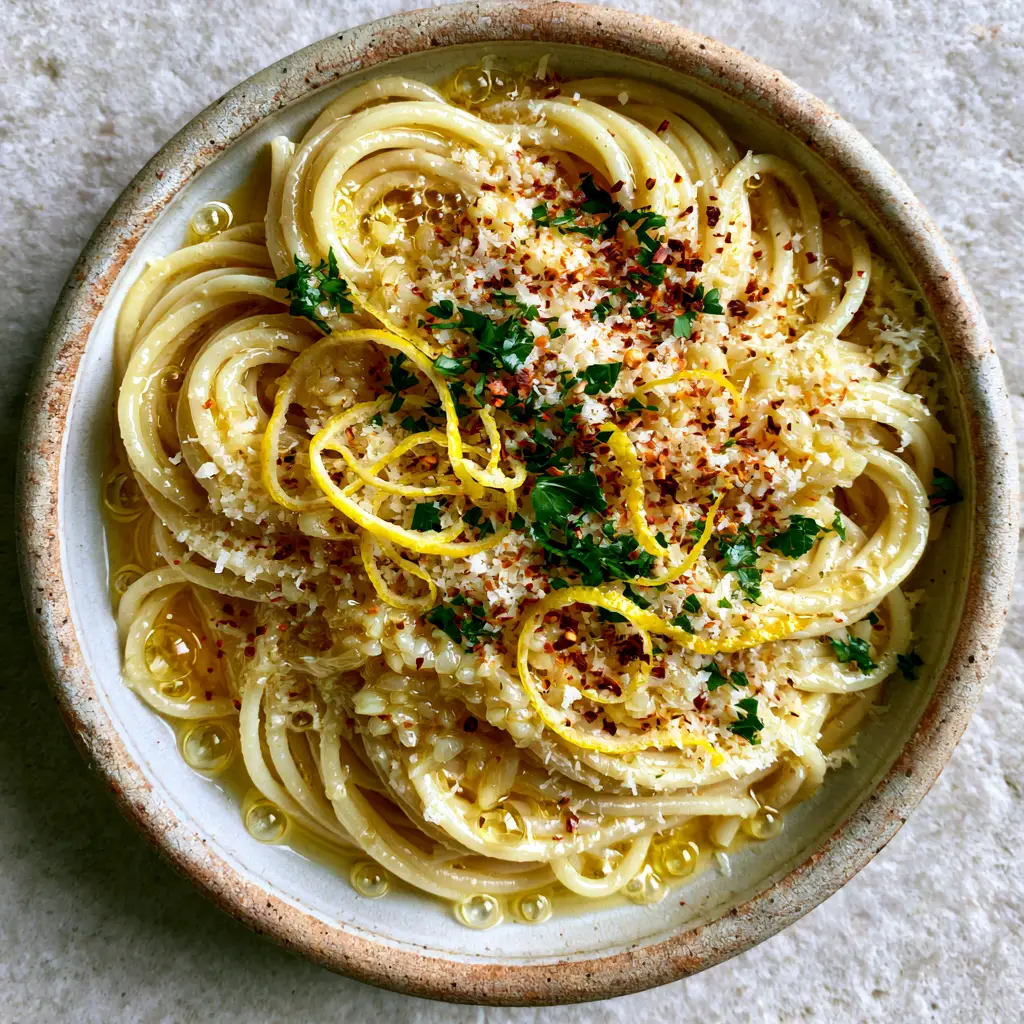
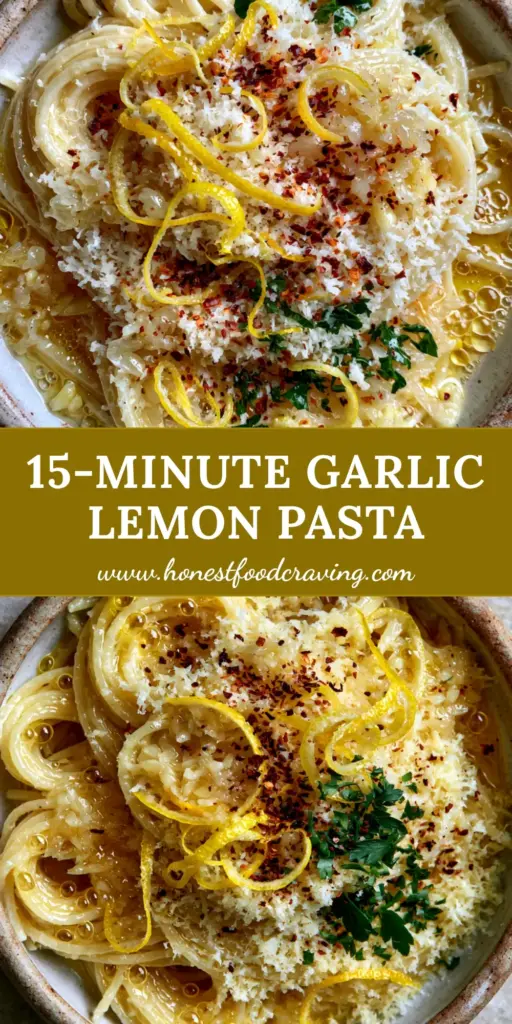
This recipe isn’t just about mixing ingredients; it is about the culinary science of the emulsion. We are aiming for a specific visual: individual strands of al dente spaghetti heavily coated in a glossy, translucent golden lemon-butter sauce. You should see tiny bubbles in the sauce, signifying a perfect aeration and bond between the fats and liquids. Finished with snow-like parmesan and vibrant yellow zest curls, this is the last lemon pasta recipe you will ever need.
Why This Citrus-Infused Spaghetti Is a Weeknight Game Changer
- Visual Brilliance: The contrast between the emerald-green parsley, the vibrant yellow lemon zest curls, and the snow-white parmesan makes this a centerpiece-worthy dish.
- Textural Harmony: We achieve a true al dente bite paired with a sauce that clings to the pasta rather than pooling at the bottom of the bowl.
- Pantry Powerhouse: Using foundational staples, you can transform dry noodles into a gourmet experience in under 20 minutes.
- Chef-Level Technique: You will master the “mantecatura” technique—the Italian art of finishing pasta in the pan to create a silky, emulsified coating.
The Anatomy of a Perfect Golden Lemon Sauce: Essential Ingredients
To achieve the specific “glossy translucent” look described in our blueprint, every ingredient must serve a structural and flavor-based purpose. Here is what you need for the ultimate Garlic lemon pasta.
Dried Spaghetti (1 lb / 454g): Choose a high-quality bronze-die extruded pasta. The rough surface of the noodle is essential for the lemon-butter emulsion to “grip” the strand, ensuring your sauce doesn’t just slide off.
Unsalted Butter (8 tbsp / 115g): Butter provides the fat needed for the glossy finish. By using unsalted, we control the seasoning perfectly, allowing the brightness of the lemon to shine through without being masked by excess sodium.
Extra Virgin Olive Oil (2 tbsp / 30ml): We use this to sauté the garlic. It has a higher smoke point than butter and adds a fruity, peppery undertone that complements the citrus profile.
Fresh Garlic (6 cloves, minced): We are looking for translucent, sautéed minced garlic. It should be fragrant and soft, providing a savory backbone that prevents the lemon from being one-dimensional.
Fresh Lemons (2 large): You will need both the juice and the zest. We are looking for “long curls of vibrant yellow lemon zest” for the visual finish, so use a channel knife or a sharp peeler before juicing.
Pasta Cooking Water (1 cup / 240ml): This is your “liquid gold.” The starch released by the spaghetti acts as the emulsifier that binds the butter and lemon juice into a cohesive, bubbly sauce.
Finely Grated Parmesan Cheese (1/2 cup / 45g): Use a microplane to achieve a “snow-like dusting.” This adds umami and helps thicken the sauce at the very end of the cooking process.
Crushed Red Pepper Flakes (1 tsp / 2g): These provide a subtle heat and a pop of red color against the golden noodles. It balances the richness of the butter sauce perfectly.
Fresh Flat-Leaf Parsley (1/4 cup / 10g, chopped): Only use fresh emerald-green parsley. It adds a grassy freshness and essential visual contrast to the monochromatic pasta.
Sea Salt and Cracked Black Pepper: To taste. The black pepper should be coarsely cracked to provide visible dark flecks against the translucent sauce.
Professional Tools for a Flawless Finish
To replicate the rustic, handheld smartphone photo aesthetic, you need the right tools for the job. A large stainless steel skillet or a wide sauté pan is vital; you need surface area to toss the pasta and encourage evaporation and emulsion. A microplane is non-negotiable for that “fluffy” parmesan texture that sits on top of the pasta like fresh snow. Finally, a channel knife or a very sharp vegetable peeler will help you create those signature long yellow zest curls that signify a chef-prepared meal.
Mastering the Method: Step-by-Step Garlic Lemon Pasta
1. Achieving the Perfect Al Dente Foundation
Bring a large pot of heavily salted water (it should taste like the sea) to a rolling boil. Add your 1 lb (454g) of spaghetti. Cook the pasta for exactly 2 minutes less than the package instructions. We want the noodles to be firm to the bite because they will finish cooking in the lemon sauce. Crucial Step: Before draining, reserve at least 1.5 cups (350ml) of the starchy pasta water. Drain the noodles and set aside; do not rinse them, as we need that surface starch.
2. Sautéing the Aromatics to Translucency
In your large skillet, heat 2 tbsp (30ml) of olive oil over medium-low heat. Add the minced garlic and 1 tsp (2g) of crushed red pepper flakes. Sauté for 2-3 minutes. Watch for the visual cue: the garlic should become translucent and fragrant but should not turn brown or crispy. If the garlic browns, it becomes bitter and will ruin the delicate balance of your Garlic lemon pasta.
3. Engineering the Glossy Emulsion
Increase the heat to medium. Add 1/2 cup (120ml) of the reserved pasta water and the juice of two lemons to the skillet. Bring to a simmer until you see tiny bubbles forming. Whisk in the 8 tbsp (115g) of unsalted butter, one tablespoon at a time. This “monte au beurre” technique creates the glossy, translucent golden sauce. The sauce should look slightly thickened and shimmering.
4. The Mantecatura (The Marriage of Pasta and Sauce)
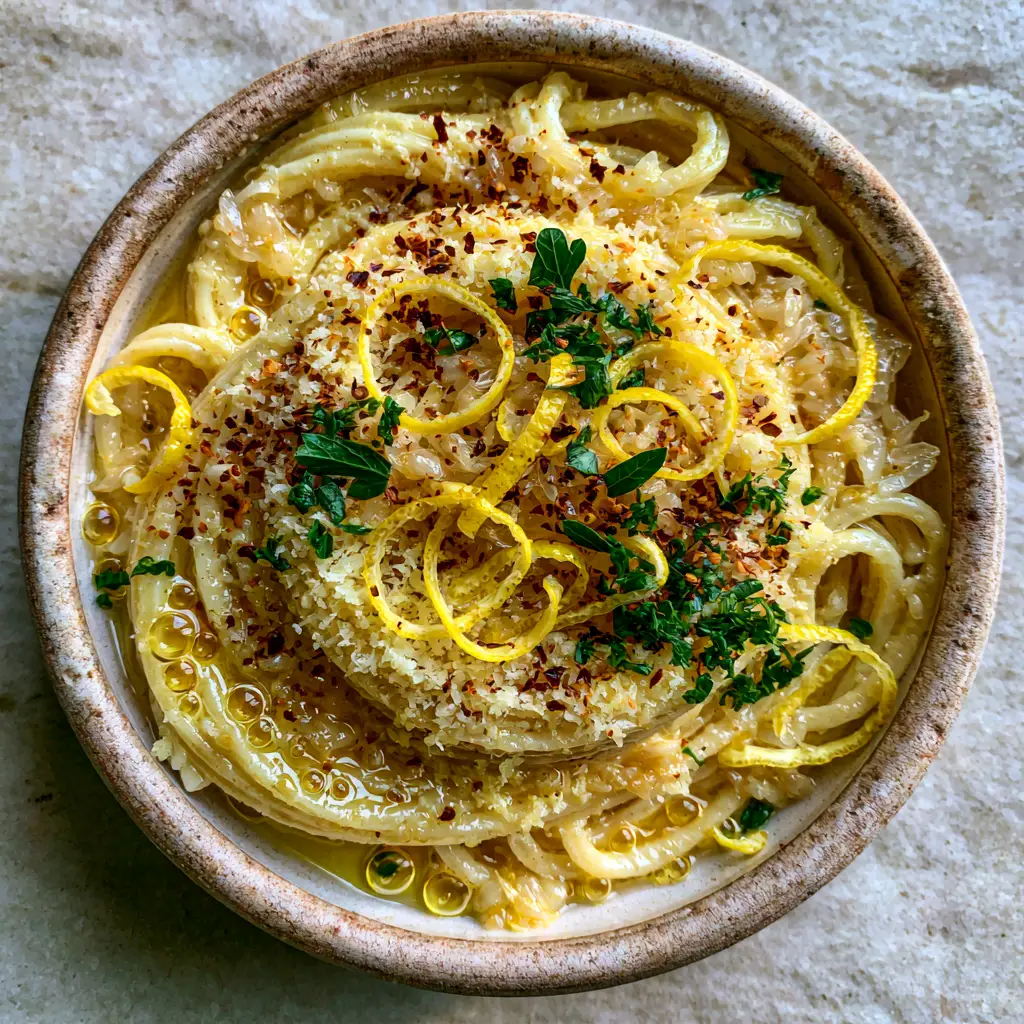
Add the spaghetti to the skillet. Using tongs, toss the pasta vigorously in the sauce for 1-2 minutes. If the sauce looks too thick or “tight,” add another splash of pasta water. You are looking for a visual of “visible emulsions”—a sauce that looks like it is hugging every individual strand. Turn off the heat. This prevents the cheese from clumping.
5. The Visual Flourish and Seasoning
Add the chopped fresh parsley and half of the parmesan cheese. Toss once more to incorporate. The cheese will melt into the sauce, making it even more velvety. Now, for the presentation: swirl the pasta into a shallow rustic ceramic bowl. Top with the remaining snow-like dusting of parmesan, the long vibrant yellow lemon zest curls, and a generous amount of cracked black pepper.
Expert Tips for a Restaurant-Quality Result
- Cold Butter is Key: When whisking the butter into the lemon-water mixture, use cold butter. Cold fat emulsifies more stably than warm fat, leading to that “glossy” finish rather than an oily one.
- The Starch Factor: If you find your sauce is “breaking” (separating into oil and water), add a tablespoon of pasta water and whisk vigorously. The starch is the “glue” for your emulsion.
- Zest Before You Juice: It is nearly impossible to get long, beautiful zest curls from a lemon that has already been squeezed. Always prep your garnishes first.
- Don’t Overcook the Garlic: The blueprint calls for “sautéed translucent” garlic. Keep the heat low. If the garlic turns dark, the sauce will lose its bright, translucent golden hue.
What to Serve with Your Garlic Lemon Pasta
This dish is incredibly versatile and acts as a beautiful base for proteins. If you want to keep the seafood theme going, it pairs excellently with a Garlic Crab Pasta side or even a simple Maple Glazed Salmon.
For those looking for a lighter accompaniment, a crisp salad like this Cucumber Dill Chicken Salad provides a refreshing crunch that cuts through the buttery richness of the pasta. If you have leftovers, you can even toss in some canned fish for a quick Lemon Tuna Pasta the next day. For a more robust dinner spread, consider serving it alongside Greek Shrimp Saganaki.
Storage and Reheating Guidelines
Storage: This pasta is best served immediately to maintain the emulsion. However, it can be stored in an airtight container in the refrigerator for up to 3 days.
Reheating: Do not microwave this dish if possible, as it will cause the butter to separate and become oily. Instead, reheat in a skillet over low heat. Add a splash of water or a teaspoon of butter to help “re-emulsify” the sauce as it warms up. Stir constantly until the sauce becomes glossy and fluid again.
Frequently Asked Questions
It is highly discouraged. Bottled juice lacks the brightness of fresh lemons and you would miss out on the lemon zest curls, which provide essential aromatic oils and visual appeal.
Keep the heat on medium-low. Garlic should only be sautéed until it is translucent. If it turns brown or dark, it will impart a bitter flavor that overpowers the lemon.
Cheese usually clumps if added to a sauce that is too hot. Always remove the skillet from the heat source before folding in your finely grated parmesan.
Long, thin strands like spaghetti, linguine, or capellini are best. Bronze-die extruded pasta is ideal because its rough texture helps the emulsified sauce cling to the noodle.
A watery sauce usually means the emulsion didn’t form. To fix this, ensure you use starchy pasta water and whisk in cold butter slowly over medium heat to bind the liquids and fats together.
The Complete Garlic Lemon Pasta Recipe
Garlic Lemon Pasta: The Ultimate Guide to a Glossy, Restaurant-Style Emulsion
Ingredients
Equipment
Method
- Cook spaghetti in heavily salted water until 2 minutes shy of al dente. Reserve 1.5 cups of pasta water before draining.
- In a large skillet over medium-low, heat olive oil. Sauté minced garlic and red pepper flakes until garlic is translucent and fragrant (about 2-3 mins).
- Add 1/2 cup pasta water and lemon juice. Bring to a simmer with tiny bubbles. Whisk in cold butter one tablespoon at a time until glossy.
- Toss spaghetti in the sauce over medium heat, adding more pasta water as needed for a perfect coating. Turn off heat.
- Fold in half the parsley and parmesan. Swirl into bowls and top with lemon zest curls, remaining parsley, parmesan, and cracked black pepper.
Notes
Ensure you zest the lemons before juicing them to get the long curls.
Closing & Call to Action
Creating a world-class Garlic lemon pasta is a testament to the fact that simple ingredients, when treated with technical precision, produce the most extraordinary results. The combination of citrus brightness, buttery richness, and the bite of al dente spaghetti creates a sensory experience that is hard to beat. If you enjoyed this deep dive into pasta emulsions, please leave a comment below and let us know how your sauce turned out!
Don’t forget to share your creations and follow us for more culinary inspiration on Pinterest. Happy cooking!