There is a profound difference between a pile of steamed, limp greens and a skillet of vibrant, high-heat sautéed vegetables that boast a restaurant-quality char. When you see steam rising from a seasoned cast iron pan, carrying the aroma of toasted garlic and nutty butter, you know you’re in for a culinary treat. This recipe isn’t just about cooking greens; it’s about mastering the Maillard reaction to achieve textures that pop.
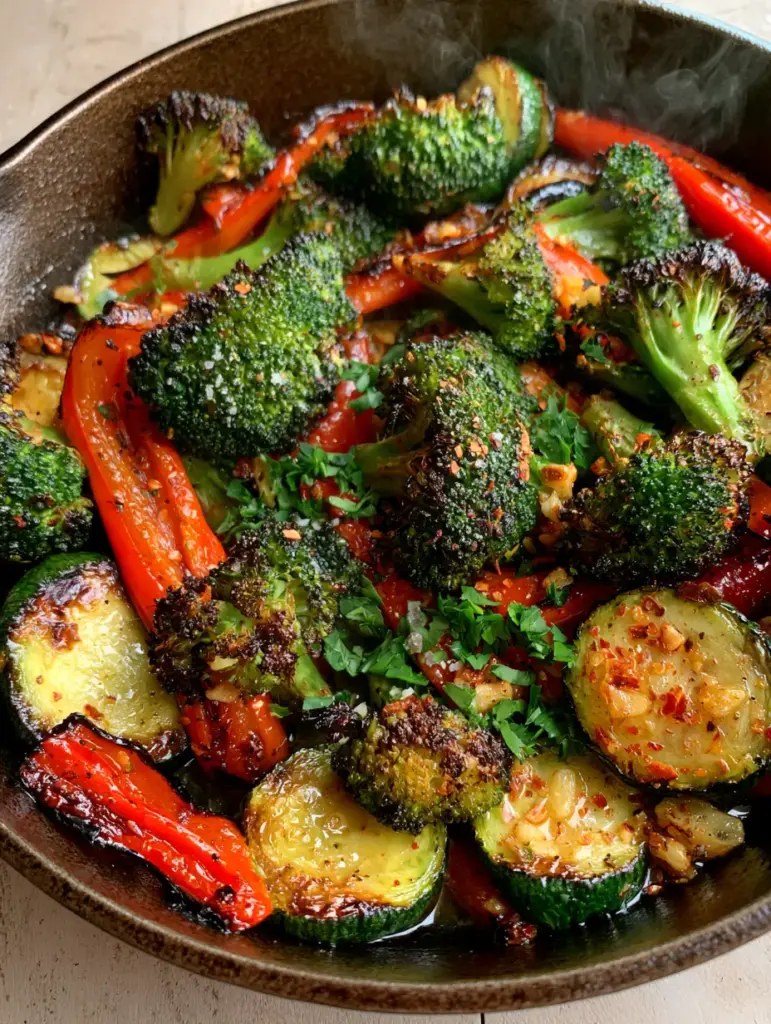
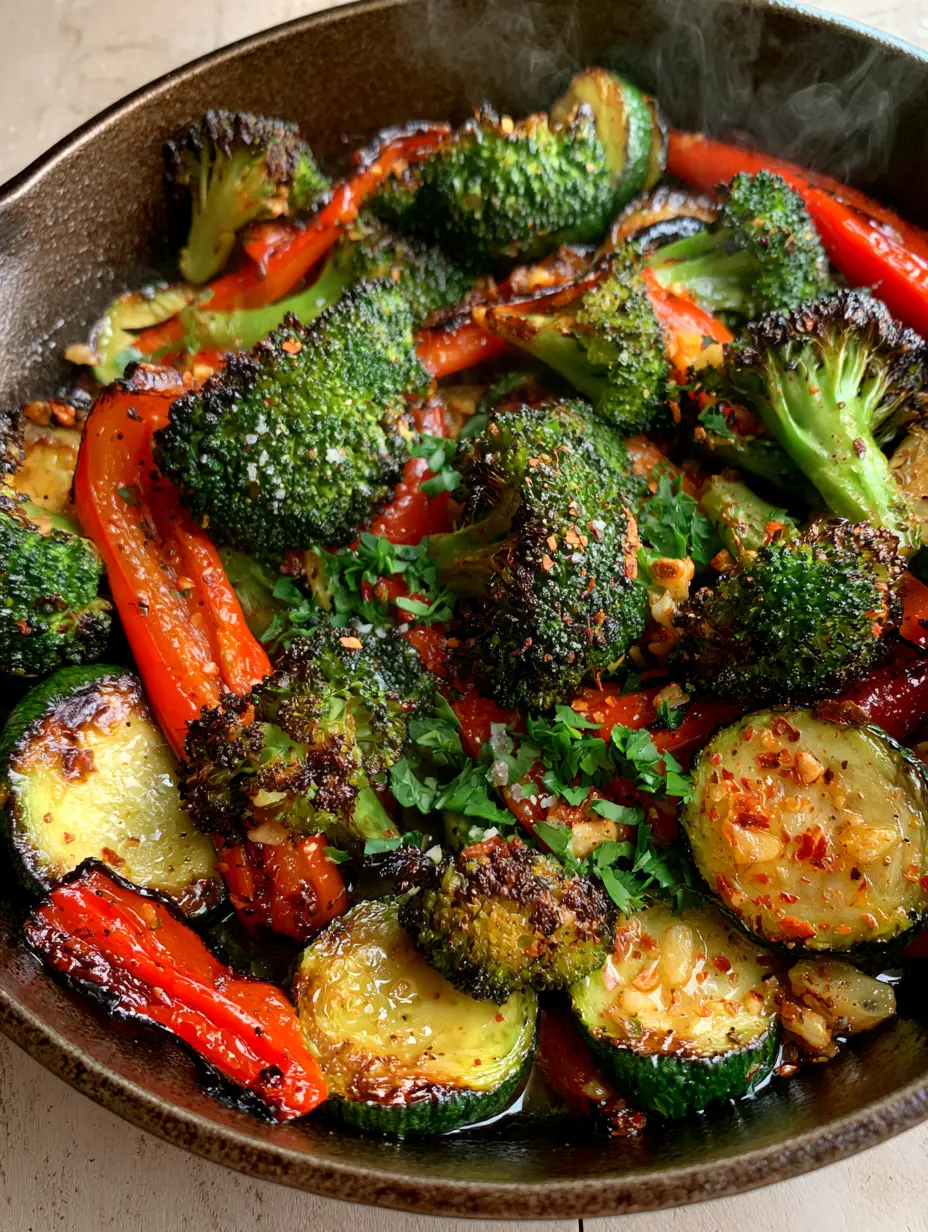
Imagine biting into a broccoli floret that is tender on the inside but features deeply charred, crispy edges that shatter slightly. Picture vibrant red bell pepper strips with blistered skins and zucchini coins seared to a perfect golden brown. This sautéed vegetables medley is finished with a glistening garlic butter glaze that ties every earthy, smoky, and spicy note together into one cohesive side dish.
By following this guide, you will learn how to manage heat levels and timing to ensure every vegetable reaches its peak consistency simultaneously. Whether you are looking for a quick weeknight addition or a sophisticated side for a dinner party, these sautéed vegetables deliver on every sensory level.
Why This Cast Iron Sautéed Vegetables Recipe Works
- The Cast Iron Advantage: Using a heavy skillet ensures superior heat retention, which is essential for getting that specific “blistered” and “charred” look without overcooking the interior of the produce.
- Dynamic Texture Profile: We combine the crunch of broccoli, the softness of seared zucchini, and the snap of red peppers for a multi-dimensional eating experience.
- The Finishing Glaze: Instead of cooking the vegetables in butter from the start (which would burn), we finish with a garlic butter glaze to preserve the fresh dairy notes and prevent bitter, burnt garlic.
- Visual Brilliance: The contrast between the bright greens, deep reds, and toasted golden garlic bits makes this dish a centerpiece-worthy side.
The Fresh Produce and Pantry Staples You’ll Need
Broccoli Florets (approx. 300g / 3 cups): You want these cut into bite-sized pieces with flat edges to maximize contact with the hot iron for those crispy, charred tips. Broccoli acts as a sponge for the garlic butter glaze, making it the star of the show.
Red Bell Peppers (2 medium / 250g): Sliced into thin strips, these peppers provide a natural sweetness that intensifies when the skins become blistered and slightly smoky. They add the essential “pop” of color mentioned in our visual blueprint.
Zucchini (2 medium / 400g): Slicing these into 1/4 inch (6mm) coins allows them to develop a golden-brown sear while remaining succulent. Zucchini provides the “seared zucchini coins” texture that balances the firmer broccoli.
Salted Butter (3 tbsp / 45g): This creates the “glistening” effect and carries the flavor of the toasted garlic to every crevice of the vegetables. High-quality butter adds a rich, velvety finish that oil alone cannot provide.
Minced Garlic (4 cloves / 20g): These will become the “toasted minced garlic bits” scattered throughout the pan. Garlic provides the aromatic backbone and a savory crunch when toasted correctly.
Avocado Oil or Grapeseed Oil (2 tbsp / 30ml): You need an oil with a high smoke point for the initial high-heat sear. This “invisible” ingredient is what prevents the vegetables from sticking while the pan is screaming hot.
Red Pepper Flakes (1 tsp / 2g): A light dusting provides a gentle heat that cuts through the richness of the butter. It adds a visual speckling that hints at the bold flavors within.
Coarse Sea Salt (to taste): Using coarse salt instead of table salt provides a “crunch” and prevents the vegetables from leaching too much water too early. It highlights the natural sweetness of the charred peppers.
Fresh Flat-Leaf Parsley (2 tbsp / 5g): Finely chopped, this adds a final layer of brightness and a “pop of bright green” that contrasts beautifully against the charred elements. It provides a refreshing herbal finish.
Essential Tools for High-Heat Sautéing
To achieve the visual result of deeply charred edges and blistered skins, a standard non-stick pan simply won’t suffice. You need a well-seasoned 12-inch (30cm) cast iron skillet. The thermal mass of cast iron prevents the temperature from dropping when you add the cold vegetables, which is the secret to searing rather than steaming.
You will also need a sturdy metal spatula or kitchen tongs. These allow you to press the vegetables down firmly against the hot surface to ensure maximum contact. A sharp chef’s knife is also vital for creating uniform zucchini coins and broccoli florets, ensuring everything cooks at an even rate.
Mastering the Sear: Step-by-Step Instructions
Step 1: The High-Heat Prep
Place your cast iron skillet over medium-high heat for at least 5 minutes. You want the pan to be nearly smoking before any ingredients touch it. While the pan heats, ensure your vegetables are completely dry; any surface moisture will create steam and prevent that “deeply charred” effect we are aiming for.
Step 2: Searing the Broccoli and Peppers
Add the high-smoke point oil to the pan, swirling to coat. Carefully place the broccoli florets and red pepper strips into the pan. Press them down with your spatula and let them sit undisturbed for 3-4 minutes. You are looking for the “Visual Cue” of the broccoli edges turning dark brown and the pepper skins starting to bubble and blister.
Step 3: Integrating the Zucchini Coins
Once the broccoli has a good sear, move it to the outer edges of the skillet and place the zucchini coins in the center. Sear the zucchini for 2 minutes per side until they turn a beautiful “golden-brown.” At this stage, you should start to see wisps of steam rising from the pan, indicating the natural sugars in the vegetables are caramelizing.
Step 4: The Garlic Butter Glaze Finish
Reduce the heat to medium and create a small well in the center of the vegetables. Add the butter and the minced garlic. Stir the garlic in the melting butter for only 30-45 seconds until it becomes fragrant and turns into “toasted garlic bits.” Immediately toss all the vegetables together to coat them in the shimmering glaze.
Step 5: Final Seasoning and Garnish
Turn off the heat. Sprinkle the red pepper flakes and a generous amount of coarse sea salt over the top. Toss in the finely chopped fresh parsley. The residual heat of the cast iron will keep the dish sizzling as you bring it to the table. The final result should be a glistening, vibrant pan of sautéed vegetables ready for serving.
Expert Tips for Success
- Don’t Crowd the Pan: If you add too many vegetables at once, the temperature drops and they will boil in their own juices. Cook in batches if your skillet isn’t large enough.
- Dry is Best: Use a salad spinner or paper towels to dry your vegetables after washing. Water is the enemy of a good sear.
- The “No-Stir” Rule: Professional chefs know that color equals flavor. Resist the urge to toss the vegetables constantly; let them sit to develop that crust.
- Butter Timing: Always add the butter and garlic at the very end. This ensures the garlic tastes sweet and toasted rather than bitter and burnt.
Storage, Reheating, and Freezing Advice
These sautéed vegetables are best enjoyed immediately to appreciate the crispy textures. However, you can store leftovers in an airtight container in the refrigerator for up to 3 days. To maintain the integrity of the zucchini and broccoli, reheat them in a hot skillet with a tiny bit of oil rather than using a microwave.
Freezing is not recommended for this specific dish. The high water content in zucchini and peppers causes them to become mushy upon thawing, destroying the “blistered” and “seared” textures you worked so hard to achieve.
What to Serve With These Sautéed Vegetables
This versatile side dish pairs perfectly with a variety of proteins. For a hearty meal, serve these alongside a classic steak sandwich or use them to add bulk and nutrition to a savory Korean beef bowl.
If you have leftover zucchini, you might consider making stuffed zucchini the following night. For those looking for more veggie-forward meals, these sautéed greens complement healthy dinner ideas like grilled salmon or roasted chicken. If you enjoy the texture of these, you’ll also love our sautéed asparagus and mushrooms.
Frequently Asked Questions
For this specific high-heat method, fresh vegetables are highly recommended. Frozen vegetables contain extra moisture that makes it nearly impossible to achieve the deeply charred and blistered texture shown in the visuals.
No, blanching isn’t necessary for this recipe. By cutting the broccoli into small florets and using high heat, the edges will char while the stems remain ‘tender-crisp.’ If you prefer very soft broccoli, you can add a tablespoon of water and cover the pan for 60 seconds before adding the butter.
Always add the garlic at the very end of the cooking process. Minced garlic only needs about 30-45 seconds in the hot butter to become toasted and fragrant. Adding it earlier will result in bitter, black bits.
Use an oil with a high smoke point like avocado oil, grapeseed oil, or canola oil. Avoid using extra virgin olive oil or butter for the initial sear, as they will burn and become bitter before the vegetables are properly charred.
Sogginess is usually caused by crowding the pan or not using high enough heat. When too many vegetables are added at once, the temperature drops and the vegetables release moisture and steam instead of searing. Cook in batches if necessary.
The Best Sautéed Vegetables in Garlic Butter
Bring the flavors of a professional kitchen into your home with this simple yet effective method. The combination of high-heat searing and a rich garlic butter finish transforms humble vegetables into the star of the plate. Don’t forget to season aggressively and enjoy the crunch!
Sautéed Vegetables in Garlic Butter: The Ultimate Cast Iron Method
Ingredients
Equipment
Method
- Preheat a 12-inch cast iron skillet over medium-high heat for 5 minutes until very hot.
- Ensure all vegetables are completely dry to ensure they sear rather than steam.
- Add oil to the pan. Place broccoli and peppers in a single layer. Press down and cook undisturbed for 3-4 minutes until charred and blistered.
- Move other veggies to the edge and add zucchini coins to the center. Sear for 2 minutes per side until golden brown.
- Reduce heat to medium. Add butter and minced garlic to the center. Sauté garlic for 30-45 seconds until toasted, then toss everything together to glaze.
- Remove from heat. Add sea salt, red pepper flakes, and parsley. Serve immediately while wisps of steam are still rising.
Notes
Always add garlic at the very end to prevent burning.
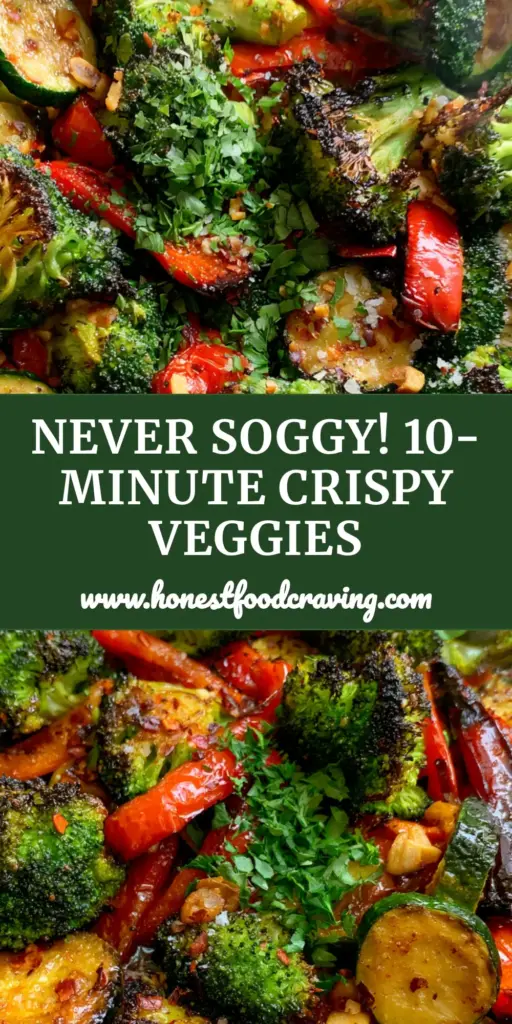
Closing & Call to Action
Mastering sautéed vegetables is a foundational skill that will elevate every meal you cook. The key is all in the heat and the quality of your cast iron. If you enjoyed this recipe, please leave a comment below and let us know how your sear turned out! For more culinary inspiration and gorgeous food photography, be sure to follow us on Pinterest and share this recipe with your friends.