There is a specific, high-frequency “shatter” sound that occurs when you bite into a perfect piece of Tanghulu. It is the sound of culinary precision—a microscopically thin, glass-like sugar shell giving way to the explosion of tart, ripe fruit juice inside. If you have ever scrolled through social media and felt mesmerized by the glisten of candied strawberries under natural sunlight, you are looking at the ultimate street food art form.
Originating from Northern China and popularized across Asian night markets, Tanghulu (or Bing Tanghulu) has evolved from a traditional hawthorn snack into a global sensation. The secret to that professional, high-key lighting aesthetic seen in smartphone photos is not just the camera; it is the chemistry of the sugar glaze. Achieving a transparent coating that shows every tiny seed of a jumbo strawberry requires a deep understanding of the hard-crack stage.
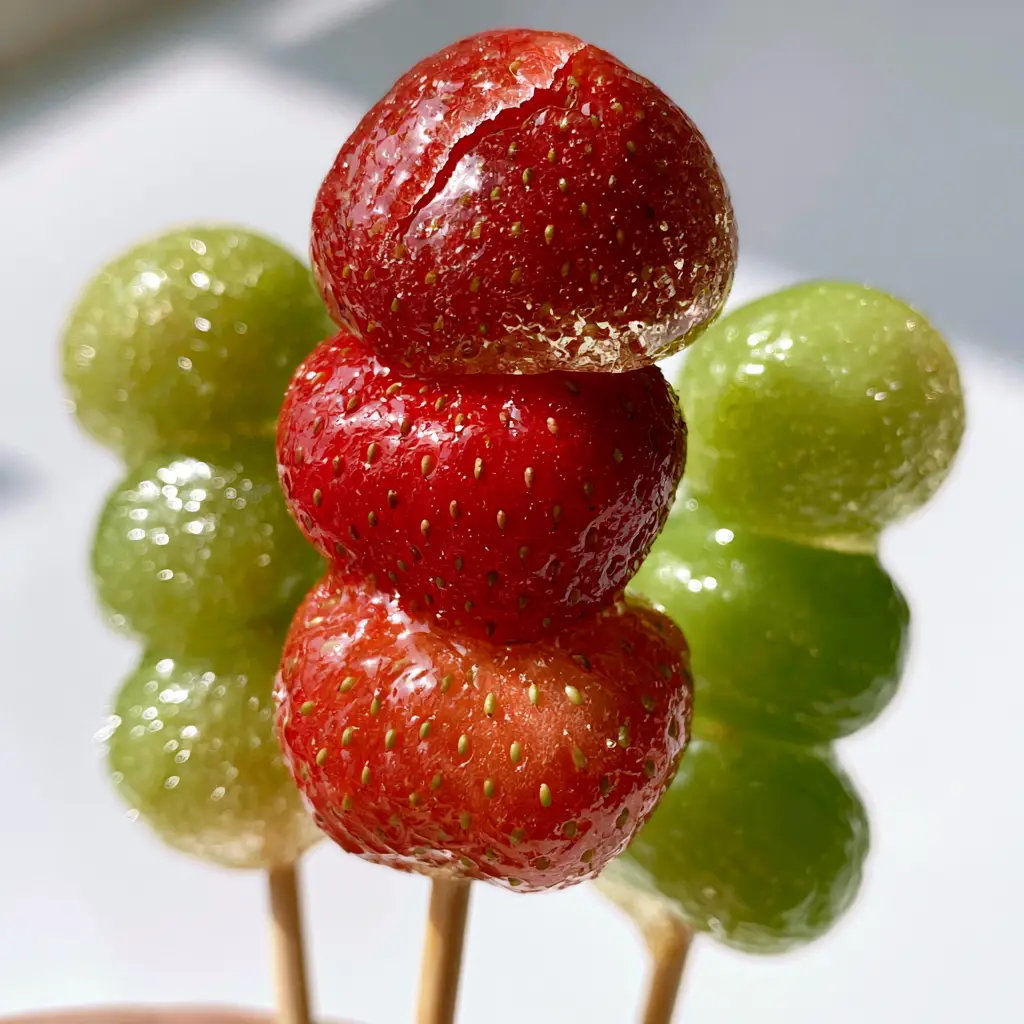
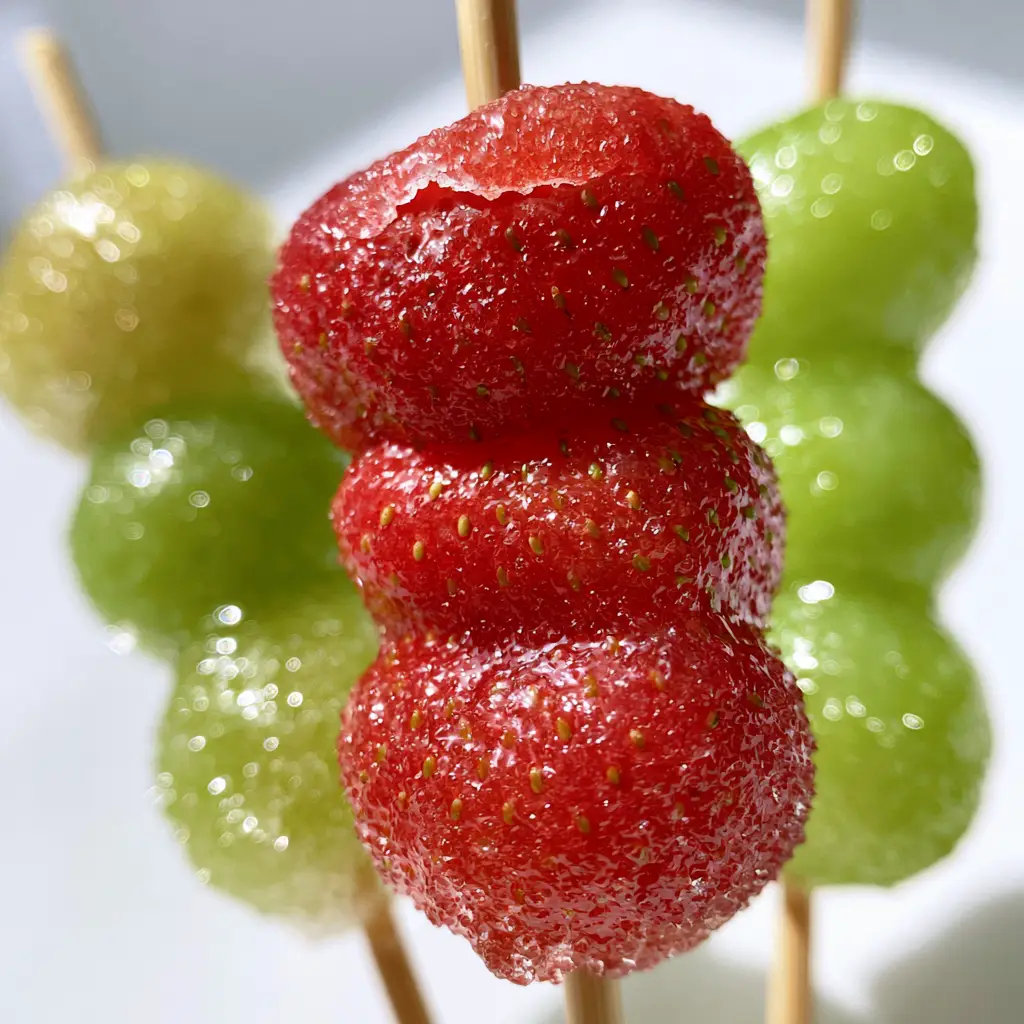
In this guide, we are stripping away the mystery of tacky, sticky sugar. We will show you exactly how to achieve that vibrant, jewel-toned finish on whole red strawberries and green grapes, complete with those delicate sugar fractures that signify a perfect crunch. Get your bamboo skewers ready; we are bringing the minimalist kitchen aesthetic and professional street food flavor to your home.
The Science of the Perfect Sugar Shatter
To recreate the exact look of our visual blueprint—thin, transparent, and brilliant—you must master the transition of sucrose. We aren’t just making syrup; we are creating an amorphous solid, a literal “sugar glass” that reflects light with professional-grade clarity. This Tanghulu recipe focuses on three primary sensory milestones that ensure your fruit looks as good as it tastes.
- Microscopically Thin Glaze: We avoid the thick, tooth-breaking candy shells by controlling the viscosity of the syrup at exactly 300°F (150°C).
- Crystal Clear Transparency: By using a specific ratio of sugar to water and avoiding premature agitation, we ensure the natural skin texture of the grapes and strawberries remains visible.
- The “Glass Crack” Texture: A rapid ice bath dip creates the thermal shock necessary for those signature delicate fractures in the sugar shell.
- Vibrant Color Contrast: Using bright red strawberries and vibrant green grapes against a white marble background creates a high-end, minimalist aesthetic.
Pantry Essentials for a Glass-Like Finish
While the ingredient list for Tanghulu is remarkably short, the quality and function of each component are vital. You cannot substitute these foundational items if you want the “shatter” instead of a “chew.” Each ingredient serves a specific chemical purpose in the candy-making process.
Whole Ripe Red Strawberries: Choose jumbo strawberries that are firm to the touch. Their structural integrity is crucial because any soft spots will release moisture, causing the sugar glaze to slide off or turn tacky.
Vibrant Green Grapes: Opt for seedless varieties with a crisp snap. The green provides a stunning color contrast to the red strawberries, enhancing the visual depth of your skewers under natural sunlight.
Granulated White Sugar: 2 cups (400g) of pure cane sugar is the base of our glass. Its high purity level ensures the glaze stays transparent rather than turning a murky brown.
Filtered Water: 1 cup (240ml) of water acts as the solvent. Using filtered water prevents mineral impurities from causing unwanted crystallization during the boiling process.
Light Corn Syrup (Optional but Recommended): 2 tbsp (30ml) acts as an “interfering agent.” It prevents sugar molecules from bonding back together into crystals, ensuring your Tanghulu remains crystal clear like a handheld smartphone photo.
Foundational Ice and Water: A large bowl of ice water is scientifically required. This provides the instant temperature drop needed to lock the sugar into the hard-crack stage immediately upon dipping.
The Toolkit for Candy Success
To achieve the ultra-sharp focus and professional food styling seen in the best culinary photography, you need the right tools. Precision is the difference between a sticky mess and a glass-encased masterpiece.
- Bamboo Skewers: These provide the rustic, natural look required for the “handheld” aesthetic. Ensure they are sturdy enough to hold three jumbo strawberries without bending.
- Heavy-Bottomed Stainless Steel Saucepan: Even heat distribution is non-negotiable. Thin pans create hot spots that will burn the sugar before it reaches the correct temperature.
- Digital Candy Thermometer: You cannot guess 300°F (150°C). A thermometer ensures you hit the hard-crack stage exactly, preventing the “tacky” texture of undercooked sugar.
- Pastry Brush: Used with a bit of water to wash down any sugar crystals that form on the sides of the pot, preventing a chain reaction of crystallization.
- White Marble Slab or Parchment Paper: A cold, non-stick surface is essential for resting the skewers if you aren’t eating them immediately.
Mastering the Hard-Crack Stage: Step-by-Step
Preparing the Fruit for Maximum Adhesion
The biggest enemy of Tanghulu is moisture. If your strawberries are even slightly damp, the sugar will not stick. Wash your strawberries and grapes thoroughly, but then dry them with obsessive care using paper towels.
Remove the leafy green tops (hulls) of the strawberries carefully to keep the fruit intact. Thread three jumbo strawberries onto one skewer, and three to four green grapes onto the others, leaving enough room at the bottom for a comfortable “smartphone photo” grip.
Simmering the Liquid Glass
In your saucepan, combine 2 cups (400g) of sugar, 1 cup (240ml) of water, and your corn syrup. Stir gently only once before turning on the heat to medium-high. Once the heat is on, stop stirring entirely.
Watch as the mixture begins to bubble. The bubbles will start large and watery, eventually becoming smaller, more viscous, and slower to pop. Use your thermometer to track the rise. You are looking for exactly 300°F (150°C). If you don’t have a thermometer, drop a small amount of syrup into cold water; it should harden instantly and snap when bent.
The Art of the Dip and Spin
Once the syrup hits 300°F (150°C), tilt your pan so the sugar pools on one side. Work quickly but calmly. Take a skewer and rotate it through the syrup in one continuous motion. You want a thin, transparent coating—not a thick glob.
Immediately plunge the glazed fruit into the prepared ice water bath for 5 seconds. This thermal shock is what creates the “visible sugar fractures” and the brilliant highlights seen in the visual blueprint. The sound of the sugar hitting the water should be a light “hiss” followed by a solidification you can feel through the skewer.
Final Styling and Highlights
Hold the skewers up against a bright, minimalist kitchen background to check your work. The sugar should be so clear that you can see the natural skin texture and seeds through the glaze. If you see a delicate crack in the top strawberry’s shell, congratulations—you’ve achieved the perfect shatter-like texture.
Expert Tips for Success
- Never Stir the Boiling Sugar: Stirring introduces air and can knock sugar crystals from the side of the pan into the syrup, causing the whole batch to become grainy and opaque.
- Watch the Color: If the sugar starts to turn a deep amber, it is moving toward the caramel stage. For Tanghulu, you want a very pale, almost imperceptible straw color to maintain transparency.
- Humidity is a Factor: Making Tanghulu on a very rainy or humid day is difficult. The sugar acts as a humectant and will pull moisture from the air, making the coating sticky within minutes.
- The Parchment Trick: If you aren’t serving them immediately, lightly grease a piece of parchment paper with a neutral oil to ensure the skewers don’t bond to the surface.
Storage and Instant Gratification
Tanghulu is a “live” dessert. Because the sugar draws moisture out of the fruit, the glaze will eventually begin to melt. For the best “glass-like” experience, consume the skewers within 30 minutes of dipping.
Do not refrigerate Tanghulu for long periods. The humidity of a refrigerator will cause the sugar to liquefy. If you must store them for an hour, place them in an airtight container with a silica gel packet (food safe) to keep the air dry.
What to Serve with Tanghulu
Because Tanghulu is intensely sweet and crunchy, it pairs beautifully with softer, creamier desserts or light, savory snacks. For a full “social media aesthetic” spread, consider serving these alongside a bowl of Mango Bingsu for a cold, refreshing contrast.
If you are hosting a themed party, these fruit skewers make a great “natural” alternative to Funfetti Cake Pops. For a more sophisticated dessert table, pair the bright red strawberries with the floral notes of Mango Strawberry Sunset Cupcakes. If you want to explore more world-renowned sweets, check out our guide on Famous Foods in France to see how European confections compare to Asian sugar work.
For those who love the “crunch” factor, try serving these after a meal of Chocolate Chip Cookie Dough Twists for a truly indulgent dessert experience.
Frequently Asked Questions
Yes, use the ‘cold water test.’ Drop a bit of syrup into ice water; if it forms hard, brittle threads that snap when you try to bend them, it is ready. If it’s squishy, keep boiling.
Avoid stirring the mixture once it starts boiling. You can also add a small amount of corn syrup or lemon juice to act as an interfering agent, and use a wet pastry brush to wipe down any crystals on the sides of the pan.
Firm fruits with a skin work best, such as strawberries, grapes, tangerine wedges, and cherry tomatoes. Very juicy fruits like sliced kiwi or melon can release too much moisture, making the glaze slide off.
This means the sugar has started to caramelize. To keep it transparent and clear, lower the heat slightly as you approach 300°F and remove it from the heat immediately once it reaches the target temperature.
Sticky Tanghulu usually means the sugar didn’t reach the ‘hard-crack’ stage of 300°F (150°C). If the syrup is even a few degrees under, it will remain tacky. Humidity can also cause the sugar to absorb moisture and soften.
The Ultimate Crystal Tanghulu Recipe
Tanghulu Recipe: How to Make Crystal Clear Candied Fruit Skewers
Ingredients
Equipment
Method
- Wash strawberries and grapes. Dry them thoroughly with paper towels. Ensure no moisture remains on the skin. Thread 3 strawberries or 4 grapes onto each bamboo skewer.
- Prepare a large bowl with cold water and plenty of ice. Place it near the stove for immediate access.
- Combine sugar, water, and corn syrup in a heavy saucepan. Heat over medium-high. Do not stir after the heat is on. Use a wet pastry brush to wash down any crystals on the sides.
- Boil until a candy thermometer reads exactly 300°F (150°C). The bubbles should be small and the syrup should have a very faint straw color.
- Tilt the pan and quickly rotate each skewer in the syrup for a thin, even coat. Immediately plunge into the ice water for 5 seconds.
Notes
Work quickly once the sugar reaches temperature to avoid over-caramelization.
Share Your Shatter-Ready Creation!
Tanghulu is more than a recipe; it is a testament to the beauty of simple ingredients handled with professional care. Whether you are capturing that perfect smartphone photo against a minimalist background or simply enjoying the satisfying crunch with your family, we want to see your results!
Did you manage to get those perfect sugar fractures? Pin this recipe to your favorite dessert board on Pinterest and leave a comment below with your favorite fruit combinations. Don’t forget to sign up for our newsletter for more deep dives into culinary science and food photography tips!