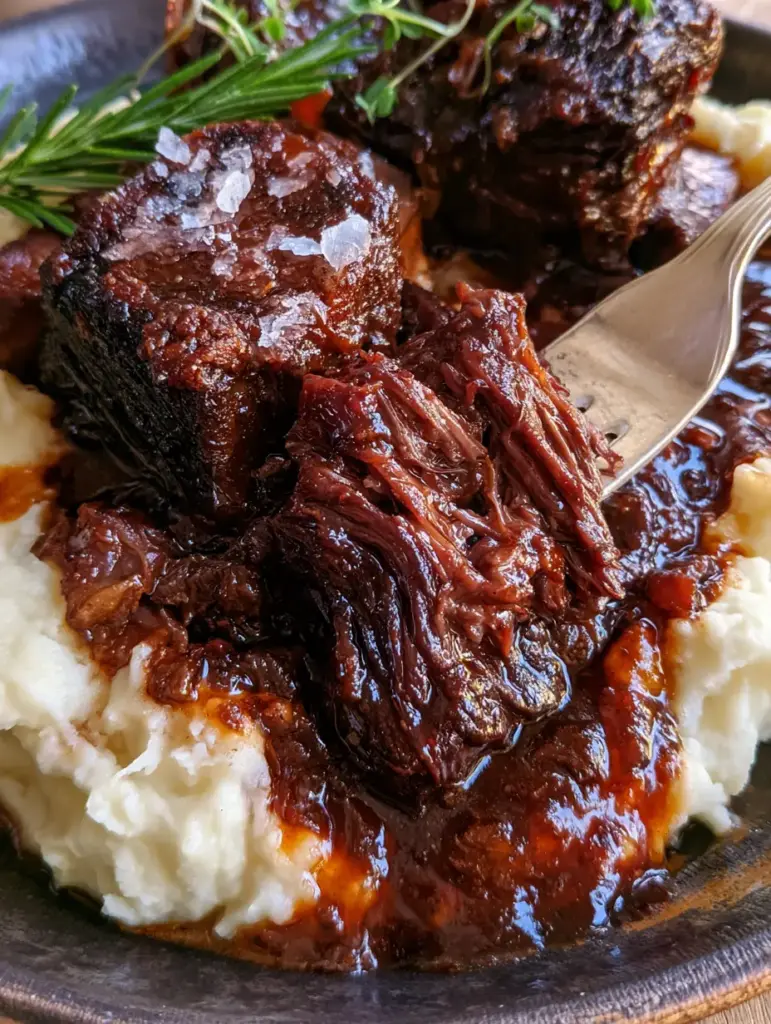
When you search for the ultimate comfort in Beef dinner recipes, your journey inevitably leads to the majestic short rib. There is a specific, primal joy in watching a silver fork glide through a piece of beef, separating succulent, steaming muscle fibers with almost zero resistance. This recipe isn’t just a meal; it’s a sensory experience designed to replicate that exact moment of culinary bliss.
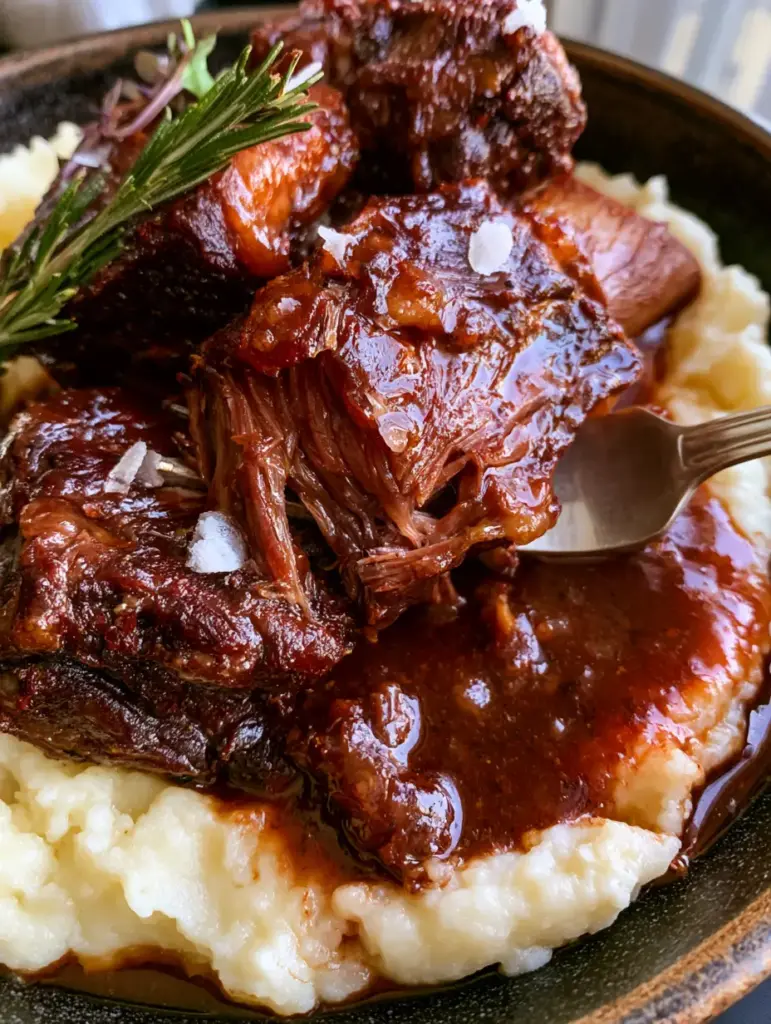
Imagine a plate where the deep, dark mahogany of a red wine reduction contrasts against a bed of velvety, snow-white mashed potatoes. The steam rises in gentle wisps, carrying the scent of woody rosemary and rich, rendered beef fat. This is the gold standard of home cooking, combining technical precision with soulful flavors.
Our focus today is on achieving that perfect forensic balance: a crispy, seared exterior yielding to a melt-in-your-mouth interior. By following this guide, you will master the art of the braise, ensuring every bite is seasoned with large flakes of sea salt and brightened by fresh micro-greens.
Why This Braised Short Rib Recipe Defines Gourmet Comfort
- Ultra-Tender Texture: We utilize a low-and-slow cooking method to break down tough collagen into silky gelatin, resulting in beef that pulls apart effortlessly.
- The Mahogany Reduction: A sophisticated balance of dry red wine and aromatics creates a glossy, thick sauce that coats the meat like liquid velvet.
- Visual Contrast: The interplay between the dark, rich beef and the buttery, smooth mashed potatoes makes this a centerpiece-worthy dish.
- Chef-Level Seasoning: The addition of Maldon sea salt flakes and fresh micro-greens provides essential crunch and acidity to cut through the richness.
The Essential Components for a Five-Star Beef Dinner
To achieve the visual and flavorful depth required for elite Beef dinner recipes, every ingredient must serve a specific structural or chemical purpose. We don’t just want flavor; we want the science of deliciousness.
The Protein and Aromatics
3 lbs (1.36kg) Bone-In Beef Short Ribs: Look for heavy marbling and thick meat coverage. The bone provides essential marrow that thickens the sauce and adds incredible depth.
2 tbsp (30ml) High-Smoke Point Oil: Avocado or grapeseed oil is necessary to achieve that “crispy seared edge” described in the blueprint without burning the fats.
1 large (150g) Yellow Onion, diced: Onions provide the foundational sweetness and sulfurous notes that balance the heavy tannins of the red wine.
2 medium (120g) Carrots, diced: Carrots contribute natural sugars which caramelize during the braise, deepening the mahogany color of the final reduction.
3 cloves (15g) Garlic, smashed: Garlic acts as a flavor bridge between the earthy rosemary and the savory beef fibers.
The Braising Liquid and Finishing Touches
2 cups (475ml) Dry Red Wine: A Cabernet Sauvignon or Merlot works best. The acidity is crucial for tenderizing the muscle fibers and providing the dark pigment for the sauce.
2 cups (475ml) Low-Sodium Beef Stock: This provides the volume for the braise, ensuring the meat stays hydrated during its long stint in the oven.
2 tbsp (30g) Tomato Paste: This is our secret weapon for “Forensic Visual Accuracy.” It provides the base for the dark mahogany hue and adds umami depth.
3 sprigs (5g) Fresh Rosemary: Woody and aromatic, rosemary infused into the fat creates a professional flavor profile that matches the visual garnish.
1 tsp (5g) Sea Salt Flakes: Used for finishing, these provide a tactile crunch and highlight the moisture of the beef.
The Foundations of the Perfect Side
2 lbs (900g) Yukon Gold Potatoes: These are naturally buttery and starchy, ensuring a velvety smooth texture that holds up under the weight of the ribs.
1/2 cup (115g) Unsalted Butter: The fat in the butter emulsifies with the potato starch to create that glossy, white appearance.
1/2 cup (120ml) Heavy Cream: Warmed cream ensures the potatoes remain light and fluffy rather than gluey.
Tools Required for Culinary Success
Achieving the result seen in our professional photography requires the right gear. You will need a heavy-bottomed Dutch oven (5-6 quarts) to maintain steady heat distribution. A fine-mesh sieve is essential for straining the reduction into a glossy, debris-free sauce. For the potatoes, a potato ricer or food mill is highly recommended over a traditional masher to achieve that “velvety smooth” blog aesthetic.
The Science of the Sear: Building Flavor Foundations
Achieving the Crispy Mahogany Crust
Pat your short ribs bone-dry with paper towels. Moisture is the enemy of the Maillard reaction. Season generously with kosher salt and black pepper on all sides.
Heat your oil in the Dutch oven over medium-high heat until it just begins to shimmer. Place the ribs in the pan, working in batches to avoid overcrowding. Sear each side for 3-4 minutes until a deep, dark brown crust forms. This “crispy edge” is what will eventually peek through the glossy sauce in your final presentation.
Deglazing and Building the Braise
Remove the meat and set aside. Lower the heat to medium and add your onions, carrots, and celery. Sauté until the onions are translucent and picking up the browned bits (fond) from the bottom of the pan.
Stir in the tomato paste and cook for 2 minutes until it turns a rusty brick color. Pour in the red wine, using a wooden spoon to scrape the bottom of the pot. Reduce the wine by half; this concentrates the sugars and creates the “thick, glossy” texture required for the reduction.
Low and Slow: The Transformation of Muscle Fibers
The Long Braise
Return the short ribs to the pot along with any accumulated juices. Add the beef stock until the ribs are 3/4 submerged. Nestled the rosemary sprigs among the meat. Cover with a tight-fitting lid and transfer to a preheated oven at 325°F (165°C).
Let the magic happen for 3 to 3.5 hours. You are looking for the “Visual Cue” of the meat pulling away from the bone. The muscle fibers should be tender enough to yield to a silver fork but not so disintegrated that they lose their shape.
Refining the Dark Mahogany Reduction
Once the beef is tender, carefully remove the ribs and the rosemary sprigs. Strain the remaining liquid through a fine-mesh sieve into a saucepan, discarding the spent vegetables. Simmer the liquid over medium heat for 10-15 minutes.
As the water evaporates, the sauce will darken into a stunning mahogany. It should be thick enough to coat the back of a spoon. For an extra glossy finish, whisk in a tablespoon of cold butter just before serving.
Creating the Velvety Potato Bed
While the sauce reduces, boil your peeled Yukon Gold potatoes in salted water until fork-tender. Drain and let them steam-dry for 2 minutes to remove excess moisture. Pass them through a ricer into a warm bowl. Fold in the butter and warm heavy cream gently. The result should be a smooth, white cloud of potatoes that provides the perfect contrast to the dark beef dinner recipes.
Expert Tips for Success
- Quality of Wine Matters: Never cook with a wine you wouldn’t drink. The flavors concentrate during the reduction, so a bitter wine will result in a bitter sauce.
- The Resting Phase: Let the meat rest in the reduction for 5-10 minutes before serving. This allows the muscle fibers to reabsorb some of the moisture, making them even juicier.
- Temperature Control: If your sauce isn’t thickening, don’t rush it with high heat. Slow reduction preserves the complex flavors of the wine.
- Garnish Timing: Add the micro-greens and rosemary sprig at the very last second. The residual heat from the beef will wilt them quickly, so for that “authentic food blog aesthetic,” speed is key.
Elevating the Plate: What to Serve With This
To round out your menu of Beef dinner recipes, consider starting with some healthy dinner ideas like a crisp green salad. For a side that complements the richness of the ribs, these sauteed asparagus and mushrooms provide an earthy contrast. If you have leftover beef (though unlikely!), it makes for an incredible steak sandwich recipe the next day.
For those looking for a lighter accompaniment, a simple vinegar cucumber salad can cut through the buttery fat of the potatoes and short ribs perfectly.
Storage, Reheating, and Freezing
Braised short ribs actually taste better the next day as the flavors continue to meld. Store the beef submerged in its sauce in an airtight container for up to 4 days in the refrigerator. To reheat, simmer gently on the stovetop over low heat to prevent the meat from becoming tough.
This dish freezes beautifully. Place the meat and sauce in a freezer-safe bag for up to 3 months. Thaw overnight in the fridge before reheating. We do not recommend freezing the mashed potatoes, as the texture can become grainy upon thawing.
Frequently Asked Questions
Absolutely. Follow the searing and deglazing steps on the stovetop first, then transfer everything to your slow cooker. Cook on low for 7-8 hours or high for 4-5 hours. You will still need to reduce the sauce in a pan at the end to achieve that thick, glossy finish.
Yes! Searing is crucial for the Maillard reaction, which creates the ‘crispy seared edges’ and foundational flavor. Without searing, the meat will look grey and lack the deep, savory complexity that defines gourmet beef dinner recipes.
The secret is using a potato ricer instead of a masher and using Yukon Gold potatoes. Ricing prevents the release of too much starch, which makes potatoes gluey. Adding warm heavy cream and high-quality butter ensures a velvety, pale-white aesthetic.
Choose a dry, full-bodied red wine with high tannins like Cabernet Sauvignon, Merlot, or Malbec. These hold up well during the long cooking process and provide the deep mahogany color and complex acidity needed to balance the rich beef fat.
If the meat is still tough, it likely needs more time for the collagen to break down into gelatin. Short ribs are high in connective tissue; ensure your braising liquid is at a low simmer and continue cooking for another 30-60 minutes until they yield easily to a fork.
The Ultimate Red Wine Braised Short Ribs Recipe
[Image-3]
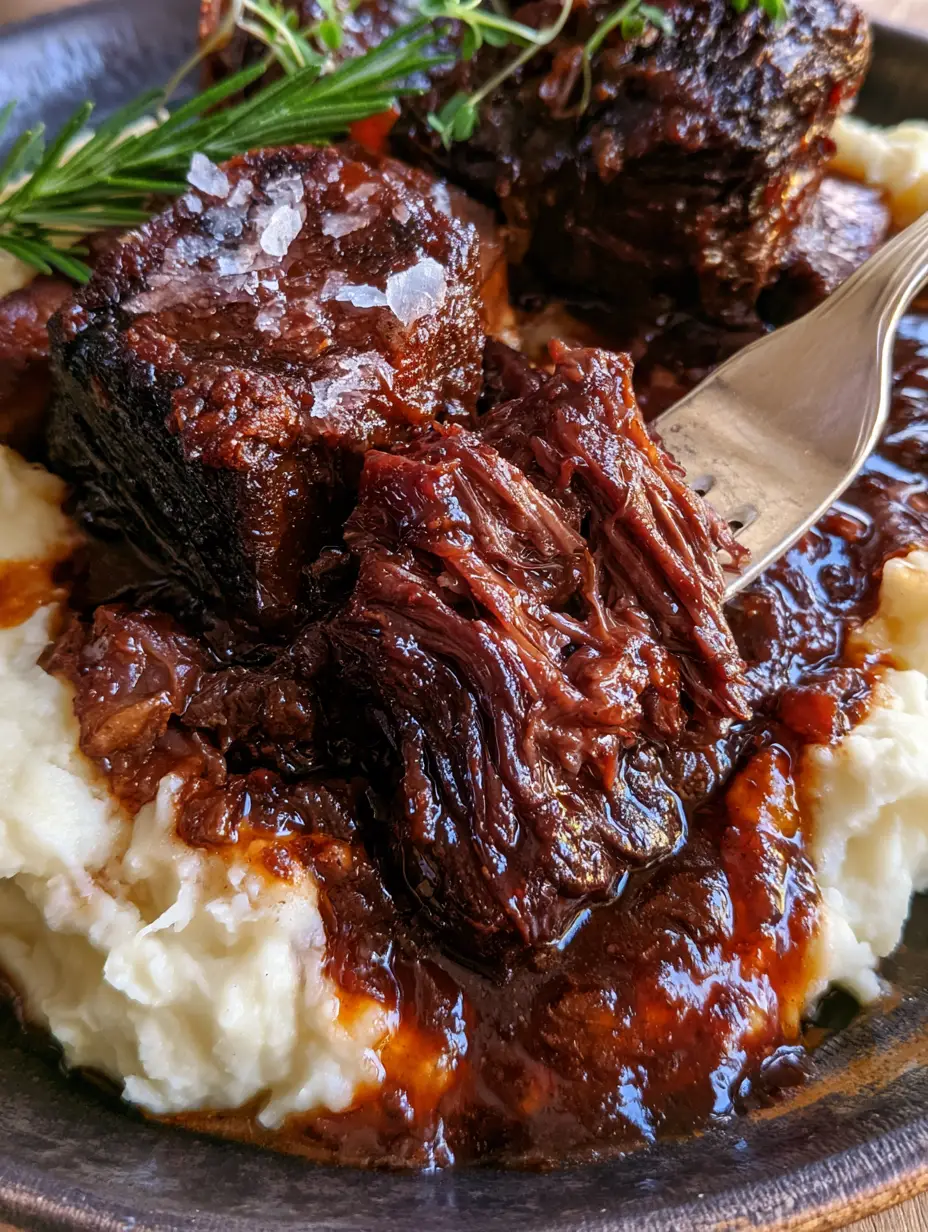
Beef Dinner Recipes: Red Wine Braised Short Ribs with Buttery Mash
Ingredients
Equipment
Method
- Season ribs with salt and pepper. Heat oil in Dutch oven and sear ribs in batches until crispy and mahogany brown on all sides.
- Sauté onions and carrots until soft. Add tomato paste, then deglaze with red wine, scraping the bottom of the pan.
- Return beef to pot, add stock and rosemary. Cover and braise at 325°F (165°C) for 3 to 3.5 hours until fork-tender.
- Strain braising liquid and simmer in a saucepan until thick and glossy. Prepare mashed potatoes by ricing and mixing with warm cream and butter.
Notes
Ensure the red wine is high quality as it forms the base of the sauce.
Closing & Call to Action
Mastering these Beef dinner recipes is a milestone for any home cook. The combination of the mahogany reduction, the steaming tender fibers, and the buttery mash creates a dining experience that rivals the finest steakhouses. If you enjoyed this forensic deep-dive into short ribs, please leave a comment below and share your results! Don’t forget to follow us on Pinterest for more culinary inspiration.