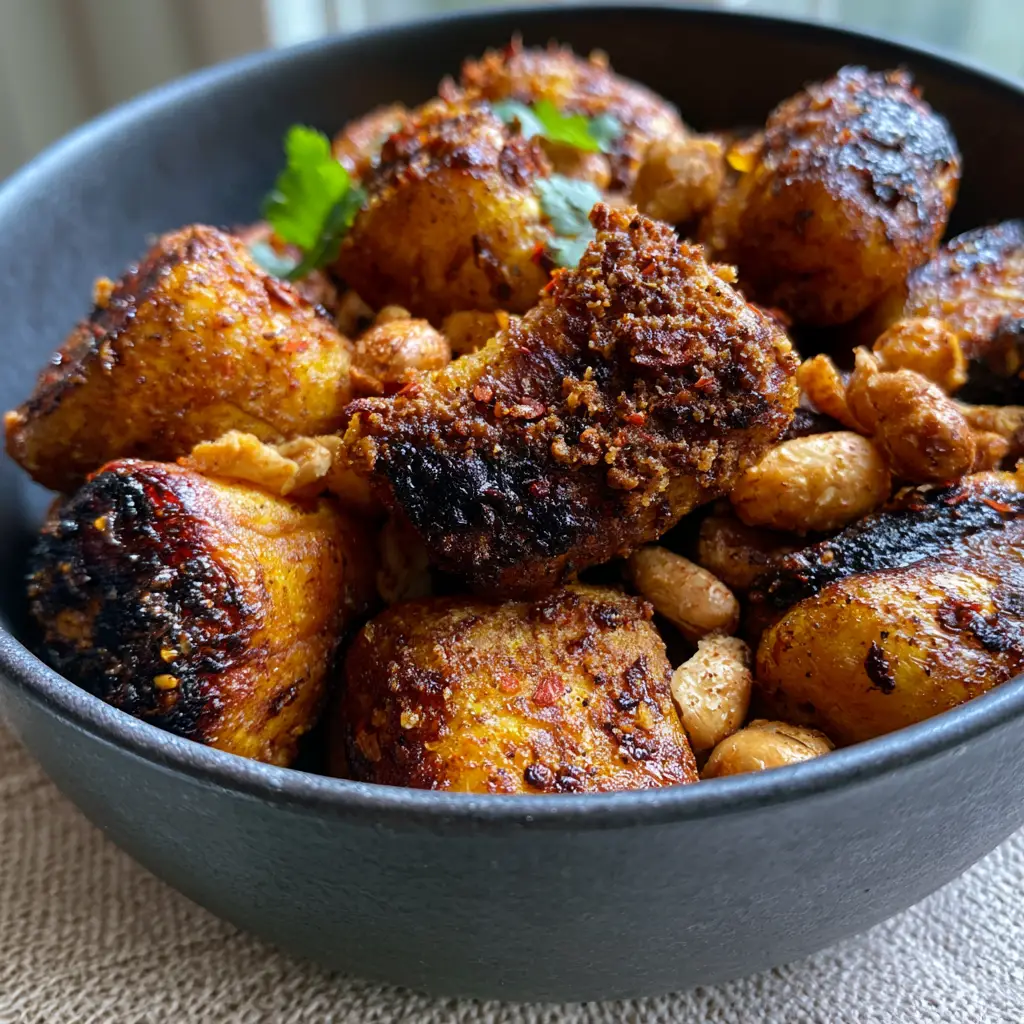
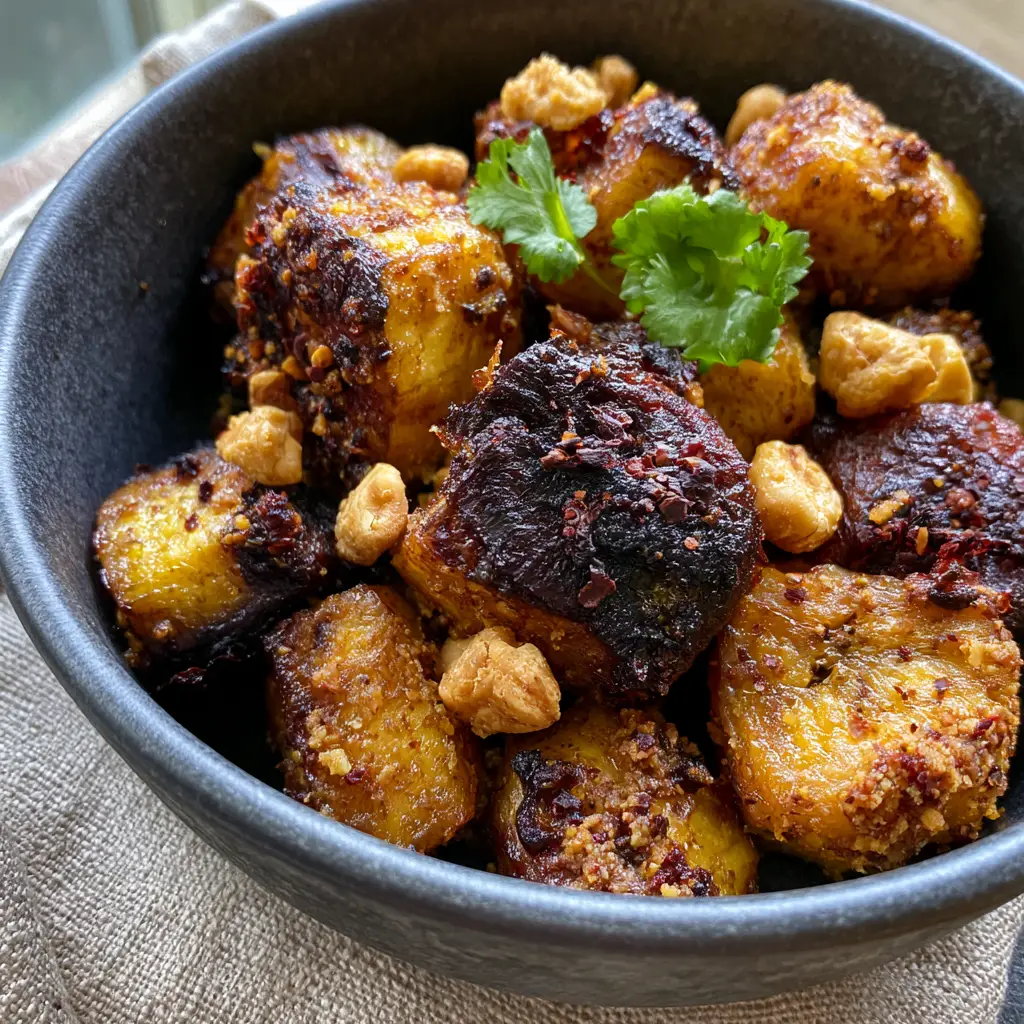
Kelewele is more than just a snack; it is the heartbeat of Ghanaian street food culture, a sensory explosion that defines the evening air in Accra. Imagine the scent of pungent ginger and aromatic cloves wafting through the breeze as ripe plantains sizzle in hot oil. This recipe captures that exact handheld smartphone photo aesthetic: deep golden-amber cubes with dark, sticky caramelized charred edges that glisten under soft, natural light.
In this guide, we are diving deep into the culinary forensics of the perfect Kelewele, ensuring every cube has that signature grainy, thick coating of spices. Whether you are looking for quick and flavorful snacks or a vibrant side dish, these spicy plantains offer a complex balance of heat, sweetness, and crunch. We will master the science of caramelization to achieve those beautiful charred edges seen in our macro close-up.
The Irresistible Allure of Authentic Spicy Fried Plantains
- Visual Masterpiece: Deep amber hues and sticky, charred edges provide a stunning contrast against a dark, matte charcoal bowl.
- Textural Harmony: Soft, custardy plantain centers meet a grainy spice crust and the intense crunch of roasted skin-on peanuts.
- Flavor Complexity: A base of natural sugars intensified by frying, balanced by the sharp bite of fresh ginger and the earthy warmth of ground cloves.
- Shatter-Crisp Finish: Achieving that glistening spice oil look requires precise temperature control and specific ripening stages.
The Anatomy of Flavor: Essential Ingredients for Ghanaian Kelewele
To recreate the exact visual profile of our Midjourney prompt, we must select ingredients that contribute to both the “deep golden-amber” color and the “grainy, thick coating” of the spice paste.
The Foundation: Extra-Ripe Plantains
You need plantains that are yellow with significant black spotting; they should feel soft but not mushy to the touch. These sugars are vital for the dark, sticky charred edges that define the dish’s forensic visual accuracy.
The Aromatic Paste: Fresh Ginger and Ground Cloves
Freshly grated ginger provides the “bite” and moisture for the paste, while cloves add a deep, woody aroma and dark speckles. This combination creates the textured coating that clings to every glistening plantain cube.
The Heat: Crushed Red Chili Flakes
While traditional recipes use fresh bird’s eye chilies, crushed red chili flakes provide a visible, grainy texture that looks incredible in macro photography. They distribute heat evenly across the surface of the caramelized plantain.
The Crunch: Roasted Skin-on Peanuts
Scattered among the plantains, these provide a savory, earthy counterpoint to the sweetness. The skins add a rustic, golden-brown visual layer that elevates the dish from a simple snack to a gourmet experience.
The Finishing Touch: Fresh Cilantro
A few small sprigs of fresh green cilantro are scattered on top just before serving. This isn’t just for flavor; the sharp color contrast against the charcoal ceramic bowl makes the amber tones of the Kelewele pop.
The Invisible Essentials: Frying Oil and Salt
You will need about 2 cups (480ml) of neutral vegetable oil with a high smoke point to achieve the sear without burning the spices. A half-teaspoon (3g) of fine sea salt is chemically necessary to bridge the gap between the spicy ginger and the sweet plantain sugars.
Professional Tools for Street-Food Perfection
To achieve the “macro close-up” quality of Kelewele, your equipment must allow for even heat distribution and precise paste application. A heavy-bottomed cast iron skillet or a deep stainless steel pan is ideal for maintaining the oil temperature required for caramelization.
You will also need a mortar and pestle or a small food processor to create the “grainy, thick coating” of spices. A spider skimmer is essential for removing the plantain cubes from the oil while allowing the “spice oil” to glisten on the surface rather than pooling in a greasy mess. If you enjoy the process of preparing textured sides, you might also like the technique used for crispy smashed baby potatoes.
Achieving the Perfect Deep Golden Char: The Step-by-Step Method
Step 1: Preparing the Signature Spice Paste
Begin by peeling 2 inches (5cm) of fresh ginger and grating it finely. In a small bowl, combine the ginger with 1 tsp (2g) of ground cloves, 1 tsp (2g) of crushed red chili flakes, and 1/2 tsp (3g) of salt. Mix in 1 tbsp (15ml) of water to create a thick, grainy slurry that will eventually become the “textured coating” seen in the visual blueprint.
Step 2: Cubing the Plantains for Maximum Surface Area
Peel 4 large ripe plantains and cut them into 1-inch (2.5cm) cubes. Consistency is key here; uniform cubes ensure that every piece develops those “dark, sticky caramelized charred edges” at the same time. Toss the plantain cubes in the spice paste until every surface is visibly glistening with the thick mixture.
Step 3: The Art of the Sizzle
Heat 2 cups (480ml) of oil in your skillet to 350°F (175°C). Carefully add the plantain cubes in a single layer, ensuring they aren’t crowded. Listen for a vigorous sizzle—this is the sound of moisture leaving the ginger and the sugars beginning to brown. Fry for 3-5 minutes per side.
Step 4: Monitoring Visual and Sensory Cues
Watch for the “deep golden-amber” transition. You want to see the edges start to darken and look “sticky” due to the high sugar content of the ripe fruit. The spice paste should form a “grainy, thick coating” that is no longer wet but has bonded to the plantain skin. Use your spider skimmer to flip them once the bottom is deeply charred but not burnt.
Step 5: The Final Assembly and Garnish
Drain the Kelewele on a wire rack rather than paper towels to keep the “spice oil” glistening. Transfer the hot plantains to a dark, matte charcoal ceramic bowl. Scatter 1/4 cup (35g) of roasted skin-on peanuts over the top and finish with sprigs of fresh cilantro for that “sharp color contrast.”
Expert Tips for Success with Ghanaian Spicy Plantains
- The Ripeness Rule: If your plantains are too green, they won’t caramelize; if they are completely black, they will absorb too much oil. Aim for the “cheetah spot” stage.
- Oil Temperature: If the oil is too cold, the spice paste will slide off. Always test one cube first; it should dance in the oil immediately upon contact.
- The “Grainy” Texture: Don’t over-process your ginger paste. You want those tiny fibers and spice particles to be visible on the finished product for that authentic macro-photo look.
- Peanut Pairing: Always use skin-on peanuts. The skins provide a bitter, earthy note that cuts through the intense sweetness of the caramelized plantain.
How to Store and Revive Your Kelewele
Kelewele is best enjoyed immediately while the edges are still sticky and the peanuts are crunchy. However, if you have leftovers, store them in an airtight container in the refrigerator for up to 2 days. To revive the texture, avoid the microwave, which will make them soggy.
Instead, reheat the plantains in an air fryer at 350°F (175°C) for 3-4 minutes or in a dry skillet over medium heat. This will help the exterior regain its “glistening spice oil” appearance and ensure the charred edges stay firm. This makes for a great addition to your collection of versatile dinner ideas.
What to Serve With This Spicy Masterpiece
In Ghana, Kelewele is often served as a standalone snack, but it also functions beautifully as a side dish. The heat of the ginger and chili flakes pairs exceptionally well with cooling elements. Consider serving it alongside a refreshing cucumber salad to balance the palate.
For a full West African feast, pair these spicy plantains with bean stews (Red Red) or grilled tilapia. The sweet and spicy profile also makes it a surprising but delicious accompaniment to savory meats, similar to how you might serve fruit-based sides with pork or chicken.
Frequently Asked Questions
While ground ginger works for flavor, it won’t provide the ‘grainy, thick coating’ that fresh grated ginger creates. For the most authentic texture, always use fresh ginger.
No. While both use ripe plantains, Kelewele is specifically marinated in a pungent spice paste of ginger, cloves, and chilies before frying, whereas Dodo is usually just salted.
If you have a nut allergy, you can omit the peanuts or substitute them with toasted sunflower seeds or roasted chickpeas for a similar textural contrast.
Choose plantains that are yellow with plenty of black spots. They should be soft to the touch but not liquid-soft. This ripeness ensures enough sugar for the sticky charred edges.
Sogginess usually happens if the oil temperature is too low or if you crowd the pan. Ensure the oil is 350°F (175°C) and fry in batches to maintain high heat.
The Authentic Kelewele Recipe

Kelewele: The Ultimate Guide to Ghana’s Spicy Caramelized Plantains
Ingredients
Equipment
Method
- Combine grated ginger, cloves, chili flakes, and salt in a bowl with a tablespoon of water to form a thick, grainy paste.
- Peel and cube plantains into 1-inch pieces. Toss in the spice paste until every surface is textured and glistening.
- Heat vegetable oil in a skillet to 350°F (175°C). Ensure the oil is hot enough so the plantains sizzle immediately.
- Fry cubes in batches for 3-5 minutes per side until they reach a deep golden-amber color with dark, sticky charred edges.
- Remove with a spider skimmer, transfer to a bowl, and scatter with roasted skin-on peanuts and fresh cilantro.
Notes
Do not crowd the pan, or the plantains will steam instead of searing.
Bring the Streets of Accra to Your Kitchen
Kelewele is more than just a recipe; it is a celebration of texture, temperature, and bold West African flavors. From the deep amber caramelization to the sharp bite of fresh ginger, every element of this dish is designed to excite the senses. The addition of crunchy peanuts and fresh cilantro makes it a modern classic that looks as good as it tastes.
We hope you enjoy making this stunning dish! If you loved the contrast of heat and sweet, please leave a comment below and share your results. Don’t forget to follow us on Pinterest for more visually-inspired culinary adventures.